
Primamordiopolis
New Designers, London, UK
2026
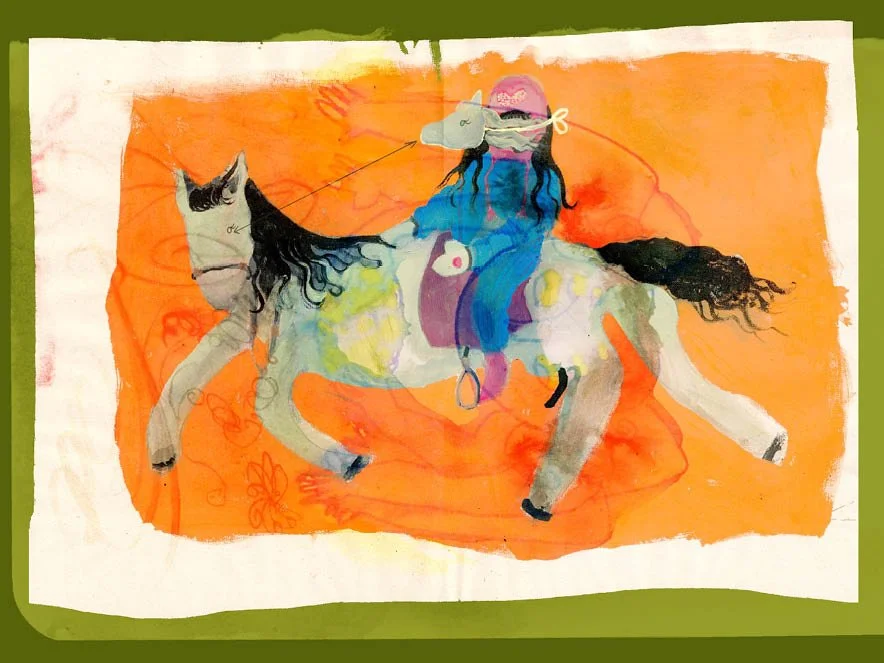
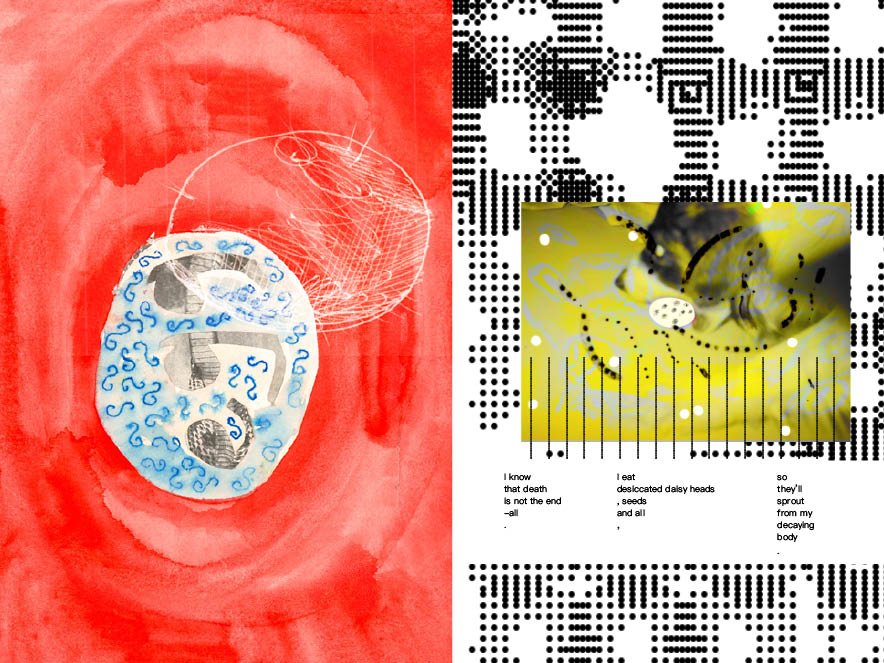
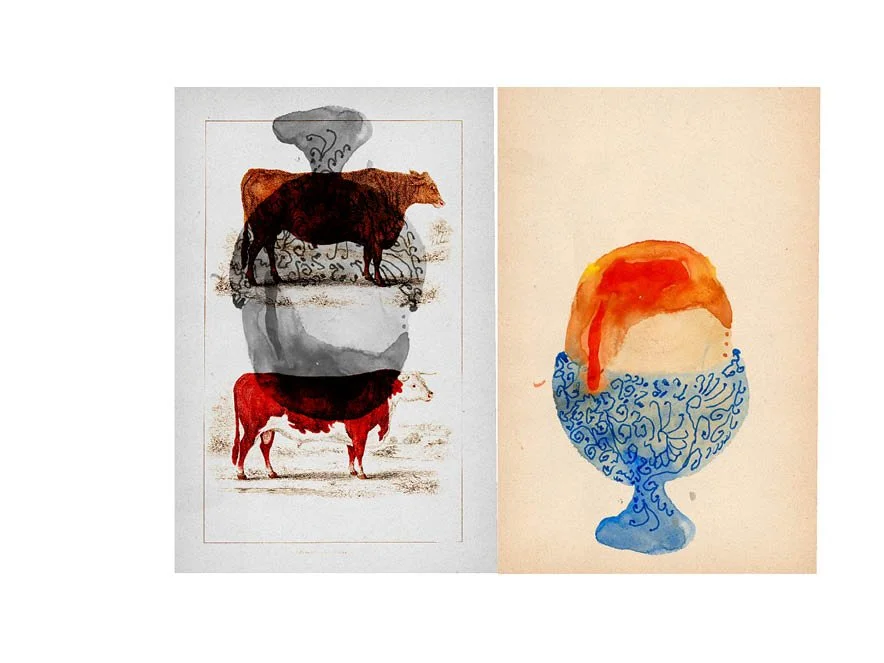
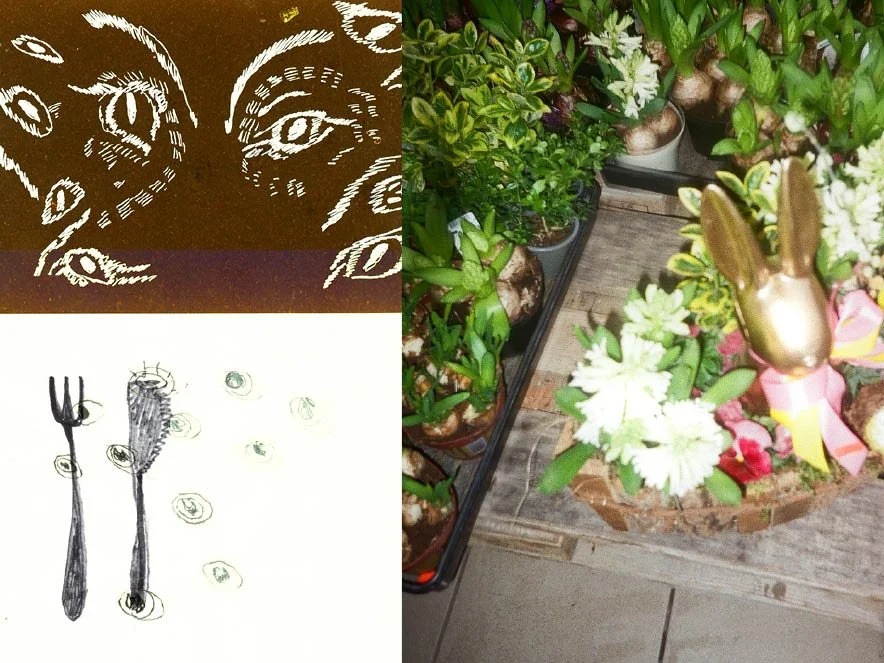
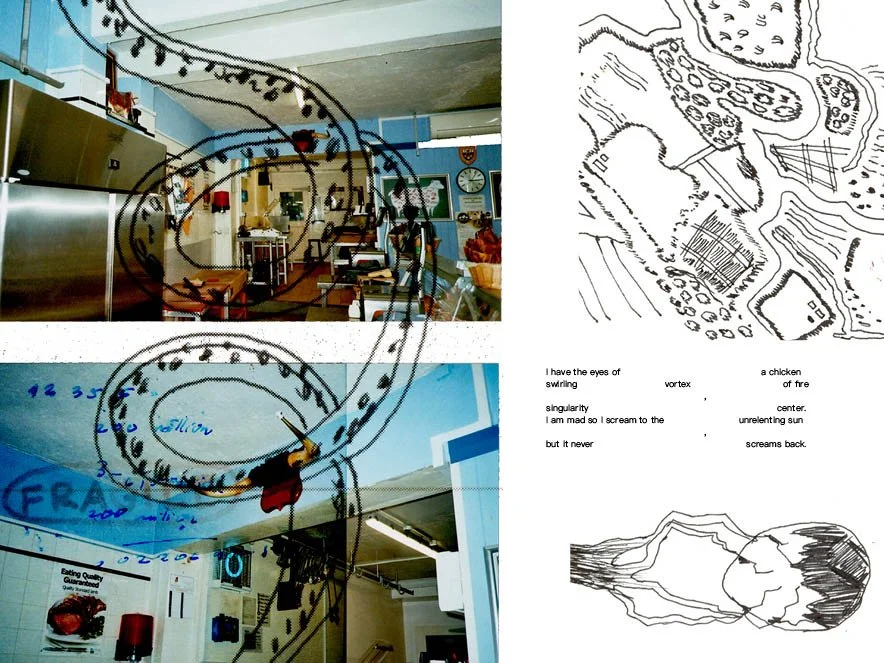
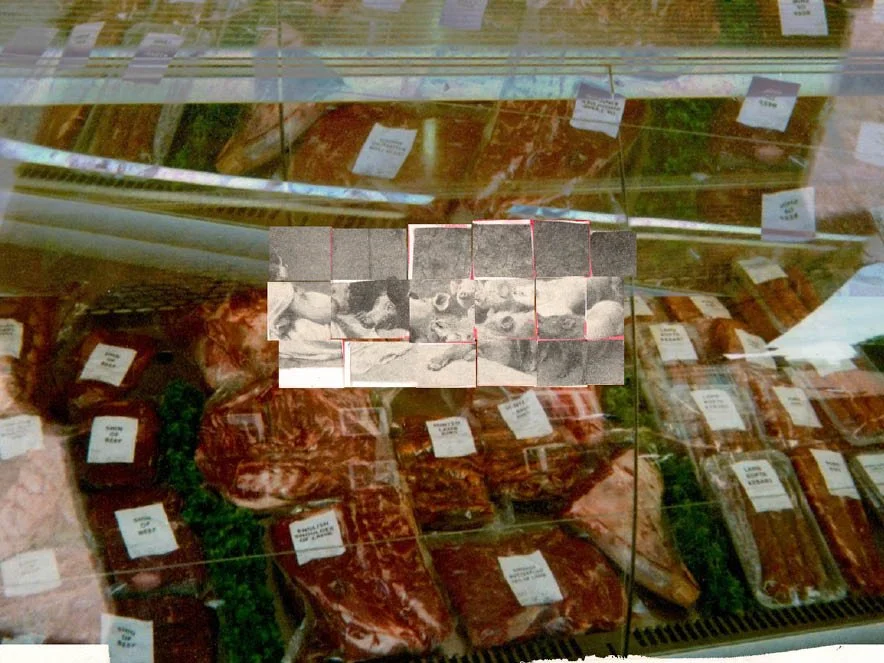
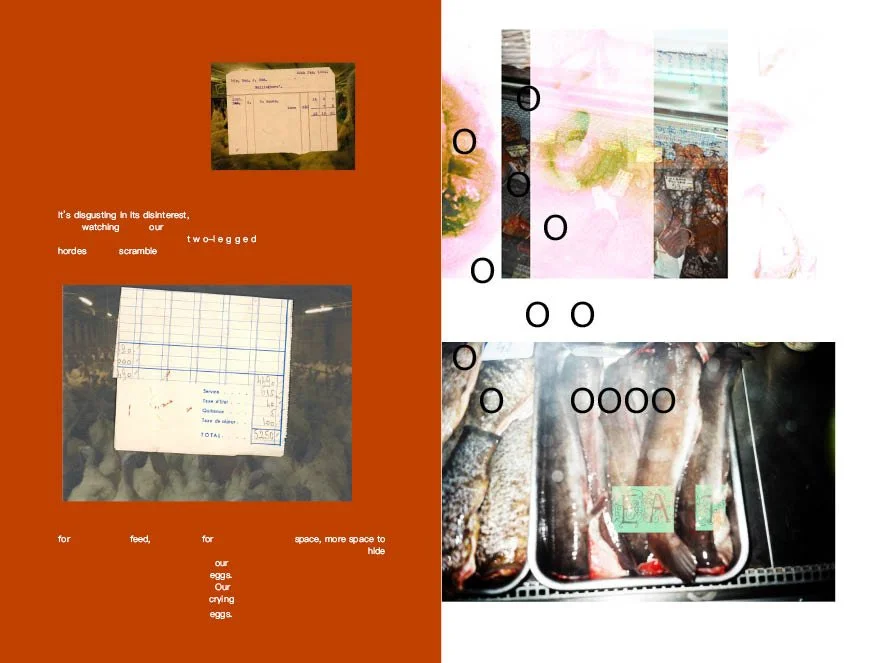
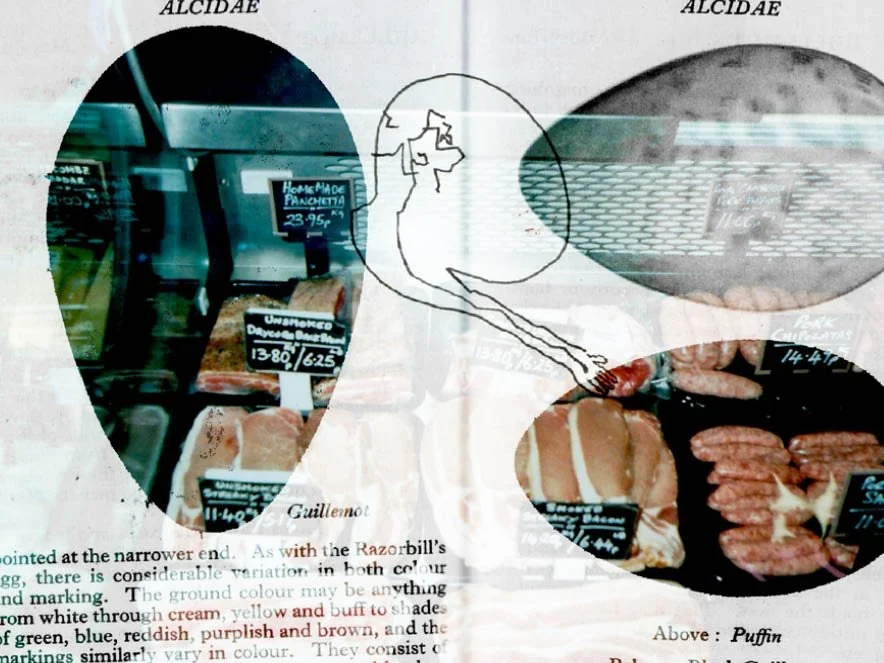
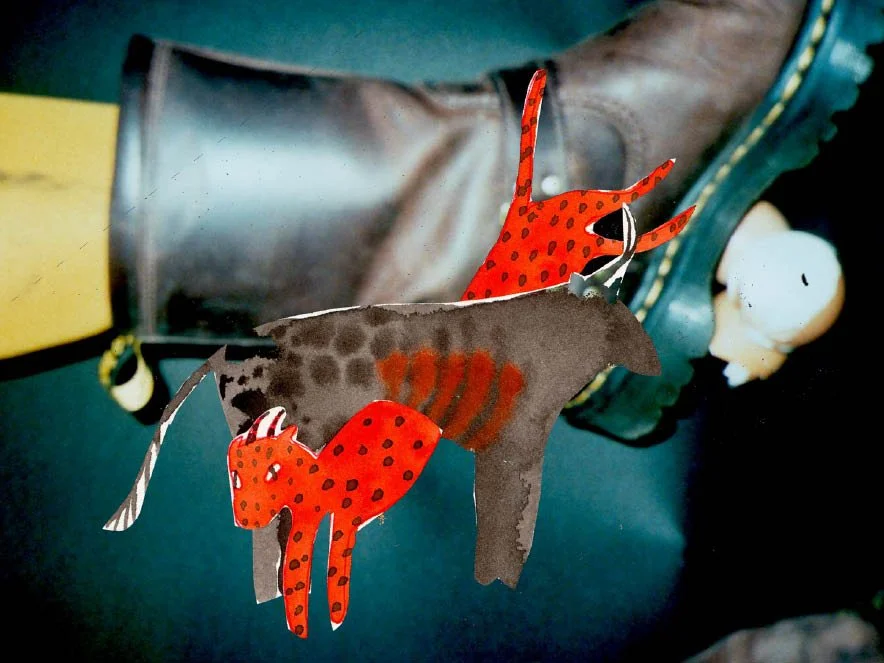
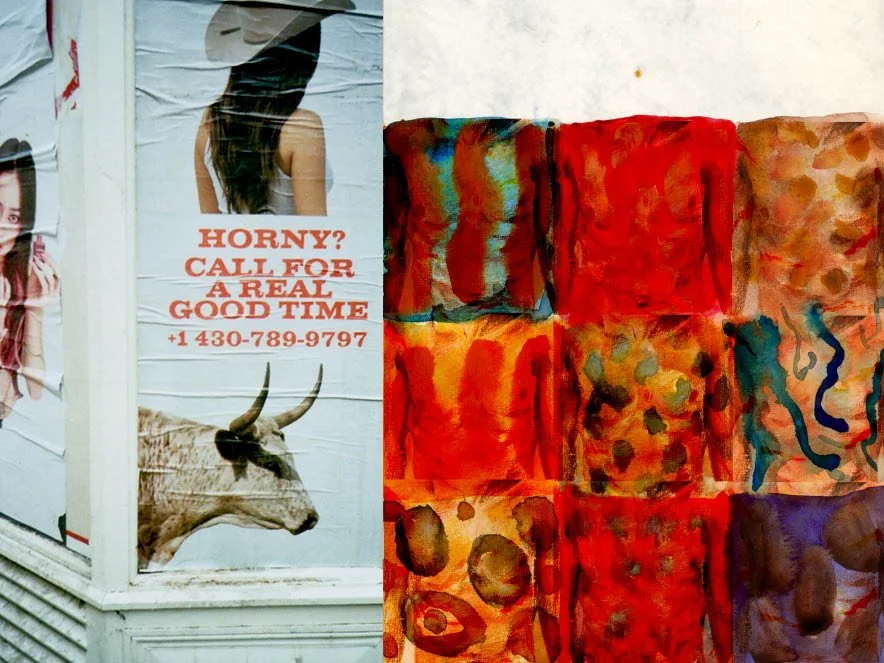
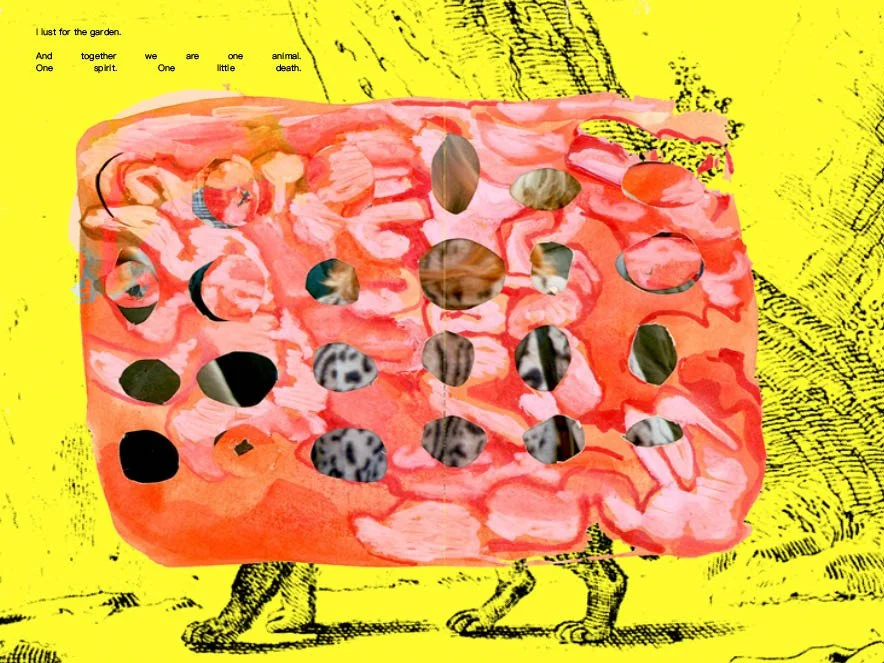
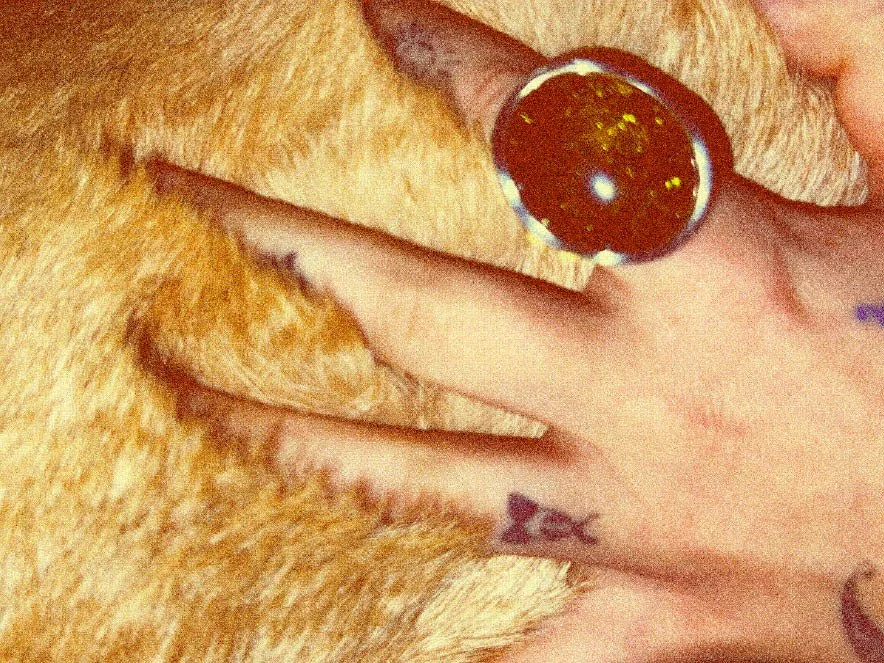
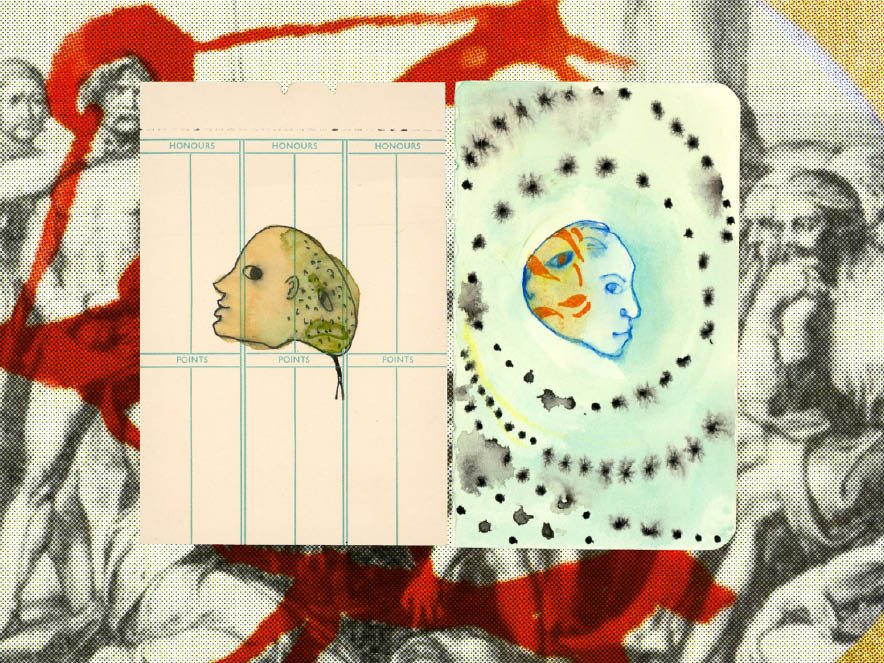
I created this project in response to growing concerns about disrespect towards animals. Through research, I traced key moments shaping this relationship today-across food, the body, religion, aesthetics, and more-keeping the work open to interpretation.
by Hannah Jane WalkerBefore we worshipped gods, we painted animals. Now we are driving them to extinction.
What happened?
This urgent new exhibition by emerging artist Ania confronts one of the defining questions of our age: how did a species that once saw animals as kin come to see them as resources, commodities and curiosities?
The evidence of our forgotten relationship is written across the walls of prehistory. Humanity's earliest artworks were not portraits of kings, monuments to power or declarations of conquest. They were animals. For tens of thousands of years, our ancestors painted them, tracked them, lived alongside them and understood themselves as part of the same living world. Long before organised religion, before borders, before civilisation itself, humans recognised a truth that modern society has almost entirely abandoned: we belong to nature, not above it.
Today, that ancient bond lies in ruins.
As ecosystems collapse, species disappear and human life becomes increasingly detached from the natural world, we are witnessing not only an environmental crisis but a crisis of relationship. The belief that humans stand apart from other living beings has shaped centuries of exploitation, extraction and destruction. Yet beneath this story of separation, another story remains—older, deeper and impossible to erase.
There is something ancient inside us that still recognises itself in the animal world.
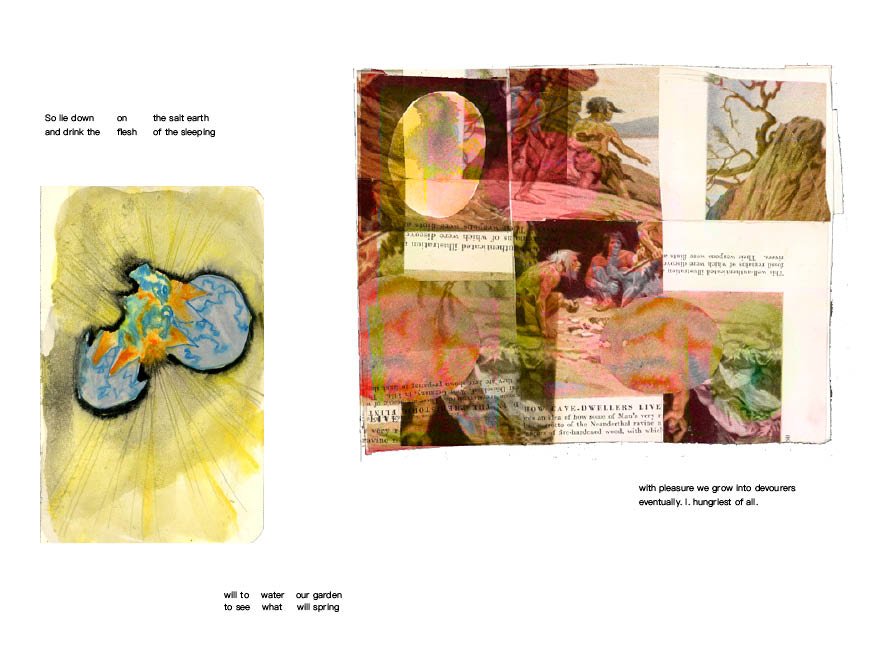
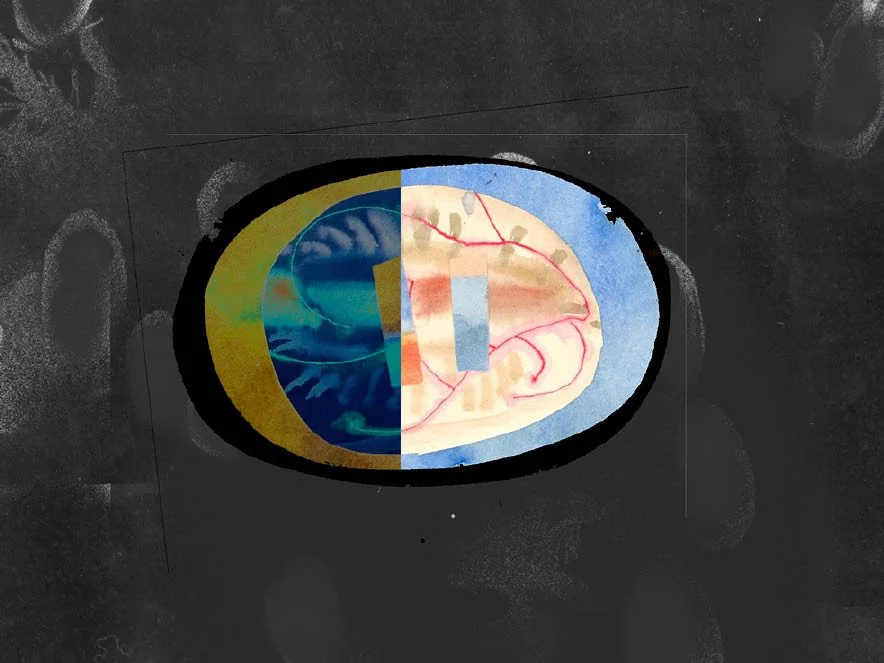
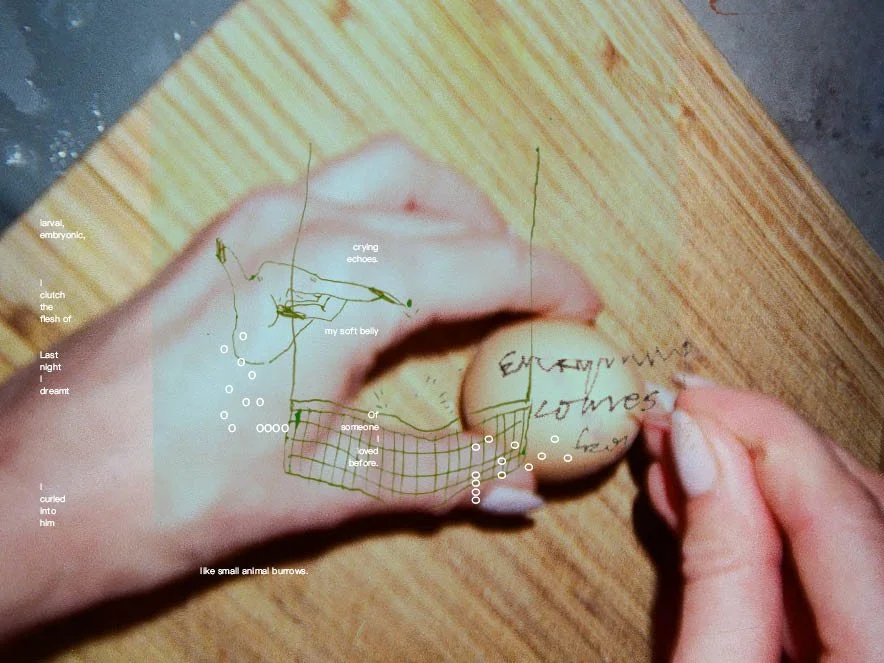
Through a powerful combination of original illustrations and poetry, Ania's work excavates this buried memory. Bringing together her own visual language with the voices of multiple poets, the exhibition creates a chorus of perspectives that challenge the myths of human exceptionalism and ask what has been lost in our pursuit of mastery over nature.
At a time when we speak endlessly about disconnection, anxiety and fragmentation, this exhibition proposes a radical possibility: that the answers we seek may not lie in moving further away from the natural world, but in remembering our place within it.
This is more than an exhibition about animals.
It is a reckoning with a broken relationship.
A challenge to the idea that humans are separate from nature.
And a call to recover a form of wisdom that existed long before modern civilisation forgot it.
The question is no longer whether animals need us.
The question is whether, in a century defined by ecological collapse, we can remember how much we need them.